

PBPA SUPPORTS GOVERNMENT EFFORTS TO PROMOTE THE TRANSITION TO CLEAN COOKING ENERGY
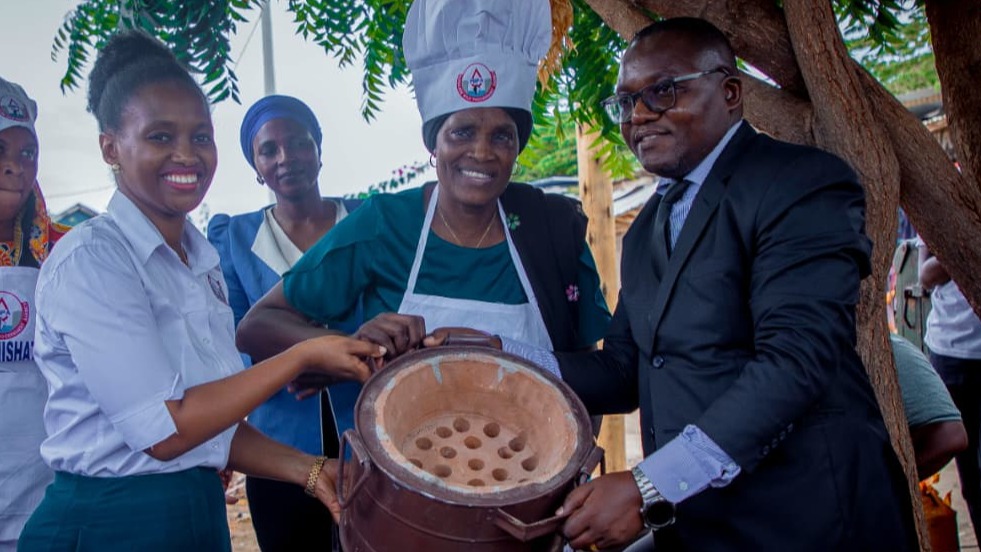
n support of the Government's efforts to promote the transition to clean cooking energy in the country, the Petroleum Bulk Procurement Agency (PBPA) has continued to empower food vendors to move away from the use of firewood and traditional charcoal, with the aim of improving their health, protecting the environment, and enhancing the efficiency of their businesses.
Speaking during a clean cooking energy training session held on November 24, 2026, in Kigamboni, Dar es Salaam, PBPA Director of Petroleum Operations, Eng. Bruno Tarimo, said the Agency had recognized the importance of actively contributing to the implementation of the National Clean Cooking Energy Strategy 2024–2034.
He noted that the strategy, launched by President Dr. Samia Suluhu Hassan, aims to ensure that 80 percent of Tanzanians use clean cooking energy by 2034.
Eng. Tarimo explained that PBPA had prioritized food vendors because of their important role in society and their potential to influence the adoption of clean cooking energy through their daily business activities.
He emphasized that transitioning to clean cooking energy is not only about environmental conservation but also an important step towards protecting food vendors from the health risks associated with smoke exposure and improving their economic well-being.
To support this transition in practical terms, PBPA provided the food vendors with one and a half tonnes of alternative charcoal and 70 improved cooking stoves, giving them an opportunity to use the alternative energy source and experience its benefits in their businesses.
On her part, the President of the Tanzania Food Vendors Association, Ms. Latifa Masasi, commended PBPA for empowering food vendors to actively participate in implementing the government's clean cooking energy agenda.
She said the association would continue working with the government and other stakeholders to encourage its members to abandon polluting cooking fuels and adopt modern cooking technologies.
Meanwhile, a food vendor, Mr. Oswald Chanzi, expressed his appreciation to PBPA for organizing the training and called on stakeholders to ensure that alternative cooking energy sources are readily available and affordable to enable food vendors to adopt and sustain their use.
Through this campaign, PBPA continues to contribute to the government's efforts to promote a society that embraces clean cooking energy for better health, environmental sustainability, and improved economic well-being among Tanzanians.